
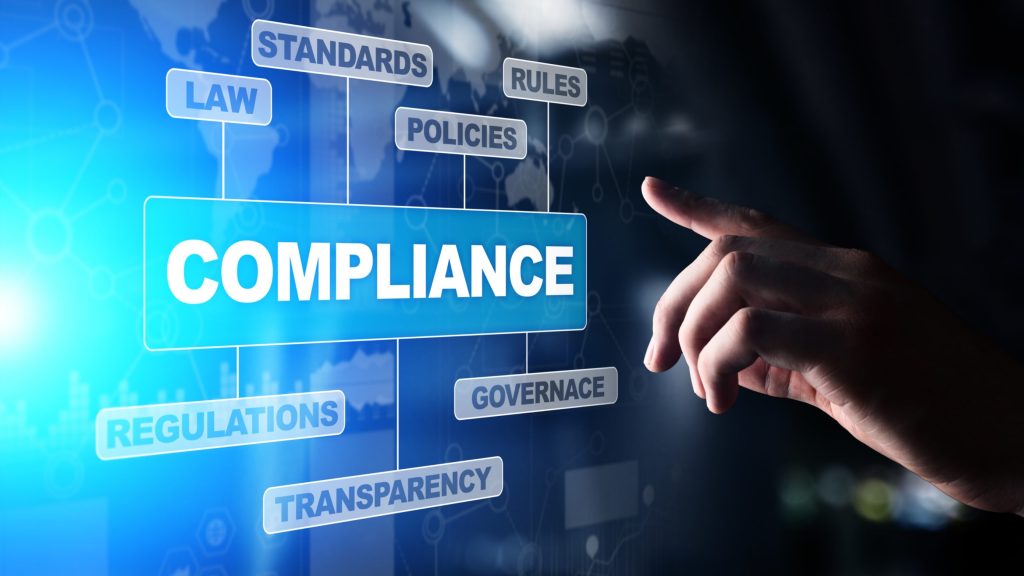
In today’s digital era, business outcome, peace of mind, cybersecurity, and compliance are interlinked priorities for Malaysian small and medium-sized businesses (SMBs). Cyber threats, data breaches, and regulatory requirements can disrupt operations, damage reputations, and impact growth. Ensuring robust cybersecurity and regulatory compliance is no longer optional — it’s essential for building trust, operational resilience, and strong business outcomes.
This blog explores how Malaysian SMBs can strengthen cybersecurity, meet compliance requirements, and gain confidence in their systems, helping them focus on growth and delivering reliable business results.
The Importance of Cybersecurity for Business Outcomes
Cybersecurity directly affects business outcomes by protecting assets, customer data, and operational continuity. SMBs in Malaysia face increasing threats from ransomware, phishing attacks, and system vulnerabilities. Many SMBs mistakenly assume they are too small to be targeted, yet cyber attackers often exploit small businesses precisely because they may have fewer security controls.
Protecting Data and Customer Trust
Data breaches compromise sensitive customer information and business intelligence. The cost of recovering from a cyber incident includes not only financial loss but also reputational damage, potential legal action, and disruption to operations.
Supporting Operational Continuity
Cybersecurity ensures business operations remain uninterrupted. Systems downtime due to malware or ransomware can significantly impact SMBs’ ability to deliver services, process payments, or communicate with clients. Strong cybersecurity frameworks reduce the likelihood of disruption, creating peace of mind for business owners.
Enabling Strategic Growth
Businesses confident in their cybersecurity posture are better positioned to pursue growth opportunities, adopt new technologies, and enter partnerships with confidence, knowing their data and systems are protected.
Compliance: Protecting Your Business and Reputation
For Malaysian SMBs, compliance with regulations such as the Personal Data Protection Act (PDPA) is critical. Compliance not only ensures legal adherence but also fosters trust among customers, suppliers, and stakeholders.
Why Compliance Matters
Avoid penalties: Non-compliance with PDPA and other regulations can lead to fines and legal repercussions.
Build customer confidence: Demonstrating compliance reassures clients that their data is handled responsibly.
Facilitate partnerships: Many larger organizations and government contracts require evidence of compliance before engagement.
Compliance as a Strategic Advantage
Treat compliance as a strategic tool rather than a burden. By embedding regulatory requirements into operational processes, SMBs can enhance their credibility, gain competitive advantage, and maintain peace of mind regarding legal obligations.
Building Your Cybersecurity and Compliance Blueprint
Strengthening your SMB’s cybersecurity and compliance posture requires a structured approach. The following blueprint outlines practical steps Malaysian SMBs can implement.
Step 1: Conduct a Comprehensive Risk Assessment
Identify digital assets, potential threats, and vulnerabilities. Assess which systems hold the most critical data and prioritize security measures accordingly.
Step 2: Develop Policies and Procedures
Create clear policies for data handling, password management, access control, and incident reporting. Documented procedures reduce human error and provide a consistent framework for your team.
Step 3: Implement Layered Security Measures
Adopt multiple security layers, including firewalls, endpoint protection, multi-factor authentication (MFA), encryption, and continuous monitoring to protect critical systems.
Step 4: Train Your Team
Employees are often the first line of defense. Conduct regular training to help staff recognize phishing attempts, malware, and social engineering attacks.
Step 5: Prepare for Incident Response
Develop and test an incident response plan. Ensure your team knows how to detect, contain, and recover from cyber incidents with minimal disruption.

5 Immediate Tips for Malaysian SMBs
To improve cybersecurity and compliance quickly, implement these actionable steps:
1. Enable Multi-Factor Authentication (MFA)
Adds extra protection for business accounts and systems.
2. Automate Backups and Updates
Ensure systems and data are regularly backed up and updated to prevent vulnerabilities.
3. Monitor Networks Continuously
Use monitoring tools to detect unusual activity or potential breaches.
4. Simplify Compliance Reporting
Leverage tools that automate compliance documentation, monitoring, and reporting.
5. Partner with a Trusted Security Provider
Managed cybersecurity services provide expertise and peace of mind, enabling SMBs to focus on growth.
Common Business Challenges & Solutions
Challenge 1: SMBs assume they are too small to be targeted.
SMARTECH Solution: Attackers target businesses indiscriminately. Implementing basic controls like MFA, monitoring, and employee training significantly reduces risk.
Challenge 2: Compliance requirements feel overwhelming.
SMARTECH Solution: Break compliance into manageable steps and leverage tools to simplify PDPA adherence, reporting, and monitoring.
Challenge 3: Cybersecurity solutions are perceived as too expensive.
SMARTECH Solution: Use managed services that deliver enterprise-level protection at SMB-friendly costs, avoiding the need for a full internal security team.
Challenge 4: Limited internal expertise slows improvements.
SMARTECH Solution: Partner with cybersecurity specialists to develop policies, maintain monitoring, and ensure continuous protection.
Challenge 5: Scaling business increases security risks.
SMARTECH Solution: Integrate scalable cybersecurity and compliance processes early to accommodate growth without compromising data protection.
Key Takeaways for Malaysian SMBs
Cybersecurity protects critical assets and supports strong business outcomes.
Compliance fosters trust, reduces legal risks, and enables partnerships.
Layered security and proactive risk management minimize operational disruption.
Employee awareness and training strengthen your security posture.
Managed services offer expert support and peace of mind.
A structured cybersecurity and compliance plan enhances growth and resilience.
🔗 Related Blogs
🌐 The Five Steps for Creating a Business Continuity Plan
🌐 5 Biggest Questions About Windows 11 Answered
🌐 Creating an IT Compliance Policy – The 7 Things You Need to Consider
Need Help?
Running a secure and compliant business is no longer optional — it is essential for growth and peace of mind. Smartech helps Malaysian SMBs implement cybersecurity and compliance strategies that protect data, maintain trust, and enable stronger business outcomes.
From risk assessments and policy creation to managed monitoring and incident response, our team delivers practical solutions tailored for Malaysian SMBs. Contact us today and let Smartech help your business operate securely, confidently, and efficiently.